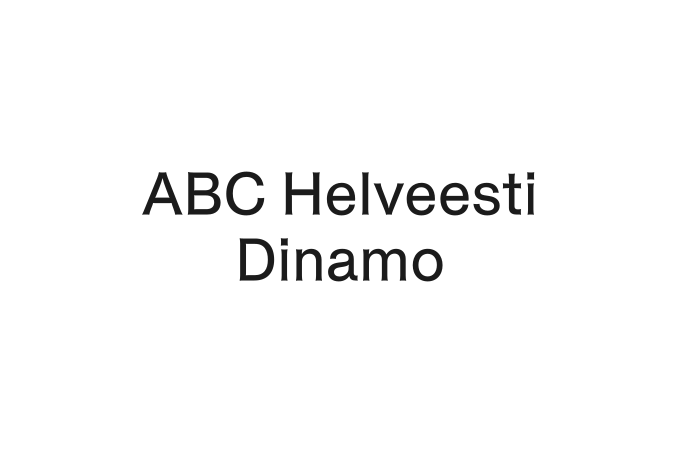
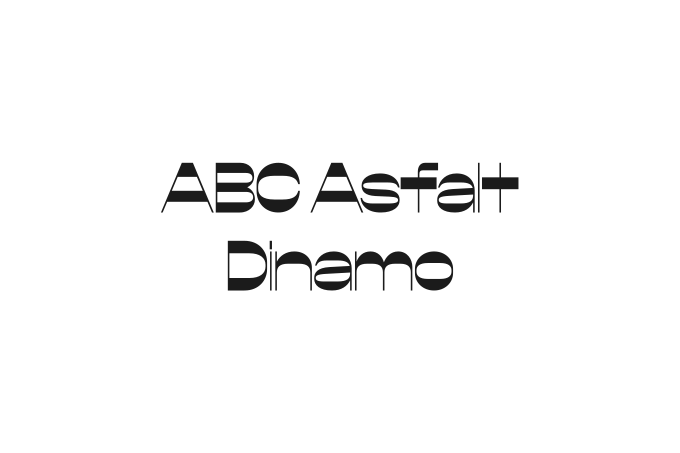
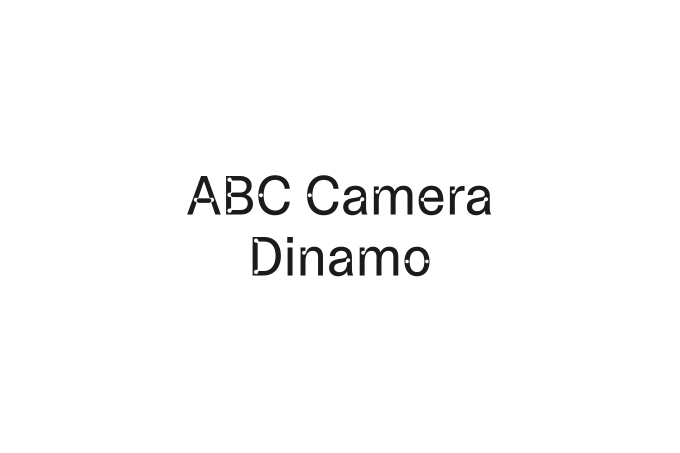
When Dinamo was invited to teach a type class in Tallinn, Estonia during the winter months of 2014, Fabian found himself in a second hand book store, thumbing through a pile of vintage children's books. One particular title caught his eye, featuring what appeared to be a Soviet-era clone of Helvetica. The typeface's light traps — its spiked corners stemming outwards like mutated tails — were designed to help compensate for blurring during the phototypesetting era. The children's book displays its entire alphabet at the back; all the better for the task of digitization.